

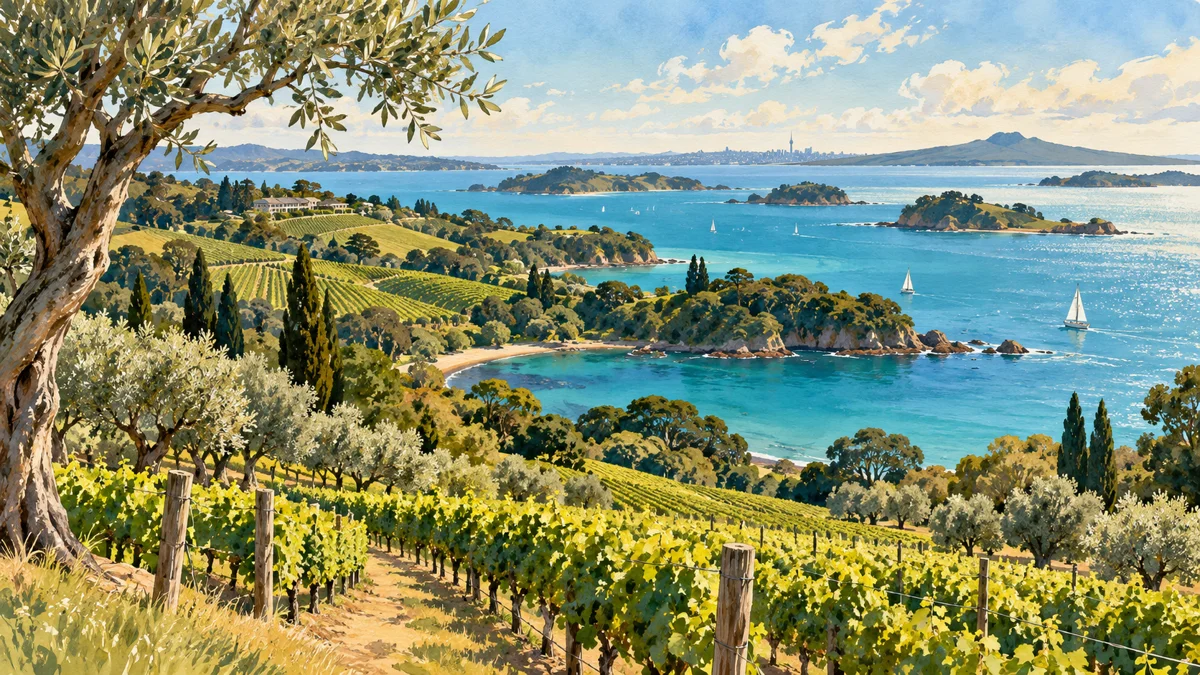
Waiheke Island – a wine paradise and cultural gem near Auckland
Waiheke Island is one of New Zealand’s most charming corners, located just a 40-minute ferry ride from Auckland. This picturesque island is renowned for its vineyards, sandy beaches, art galleries, and relaxed atmosphere. It is a popular holiday destination for both New Zealanders and international tourists. For travellers, Waiheke offers the opportunity to experience the spirit of the Pacific nature without sacrificing comfort and civilization.
History of the island
Before the arrival of Europeans, the island was inhabited by the Māori, who called it “Te Motu Arai Roa”—”the island of long refuge.” Archaeological finds indicate that the Māori engaged in active economic activity here, fishing, growing vegetables, and building settlements on high ground for protection from enemies.
In the 1830s and 1840s, European settlers began arriving here, engaging in agriculture and fishing. The official name “Waiheke” translates from the Māori language as “waters flowing through the earth” or “dripping water,” reflecting the island’s natural essence.
Until the 1980s, Waiheke was primarily home to fishermen, farmers, and artists. Today, it’s an upscale area combining rural charm with luxury real estate and developed tourism infrastructure.
Population and culture
The island has a permanent population of approximately 9,500. In the summer, the population swells sharply due to the influx of tourists and summer cottage owners. The island community is distinguished by its creative spirit—there are many artists, musicians, writers, and artisans.
Cultural life is centreed around galleries, theatres, and art spaces. Regular events include art exhibitions, wine festivals, open-air concerts, and food weekends. The blend of Māori traditions, European aesthetics, and contemporary art creates a unique atmosphere in Waiheke.
Economy and modernity
The island’s main sources of income are tourism, winemaking, and crafts. There are over 30 wineries on the island, many of which are open for visits, tastings, and tours. Waiheke is renowned for producing high-quality wines, particularly Cabernet Sauvignon, Syrah, and Chardonnay.
Tourism is growing steadily: people come here for relaxation, culinary experiences, nature, and inspiration. Local authorities oversee the island’s development to preserve its ecological integrity and unique atmosphere.
Popular places and entertainment
- Oneroa Village is the island’s main village, home to cafes, boutiques, galleries and a craft market.
- Island wineries like Mudbrick, Cable Bay, Stonyridge, and others offer not only wine but also stunning views, restaurants, and terraces.
- Onetangi Beach is one of the longest and most popular beaches, ideal for swimming, picnics and walks.
- Hiking trails – The island has numerous trails that pass through vineyards, forests, cliffs and hills with ocean views.
- Te Whau Point is a great place to watch the sunset and take photos.
- Sculpture on the Gulf is one of the largest outdoor sculpture festivals in the Southern Hemisphere.
Climate and nature
Waiheke Island is renowned for its mild maritime climate: warm summers and moderate winters make it a year-round destination. Its well-drained soil and sunny exposure make it ideal for viticulture. The island’s natural landscape includes picturesque hills, eucalyptus and pine forests, olive groves, sandy beaches, and cliffs with stunning views.
The island is also home to numerous bird species, including rare ones. Look and listen for native birds such as tūī during walks around the island.
How to get to Waiheke
The most popular option is regular ferries from Auckland. The journey takes about 35–40 minutes and passes through the picturesque harbour. Private boats, water taxis, and even helicopter tours for wealthy guests are also available.
The island offers public transportation, taxis, car rentals, electric bicycles, and scooters. Most tourists prefer walking or renting a car to explore the area freely.
Development prospects
Waiheke strives to maintain a balance between tourism and nature. Active programmes are underway to protect forests, coastlines, water quality, and biodiversity. The island’s development is aimed at a sustainable future: green technologies are being implemented, ecotourism is being developed, and waste recycling and energy independence are being promoted.
Initiatives to limit excessive urbanization and preserve local communities are also being considered, ensuring the island doesn’t lose its identity. Programs to engage with Māori culture, educational projects, and art residencies are being created for residents and tourists.
Useful tips for tourists
- Book tables at popular wineries in advance, especially on weekends and during high season (December–March).
- Bring comfortable shoes—the island is hilly and ideal for walking.
- Many attractions are only accessible by car or on foot, so plan your route in advance.
- Respect nature and private property: many wineries and routes pass through private land.
- Consider staying overnight—the island’s atmosphere is especially beautiful in the evening and at dawn.
Conclusion
Waiheke Island is an island of inspiration, flavor, and tranquility. It’s ideal for romantic getaways, meditation, culinary retreats, and experiencing New Zealand culture in its soft and warm essence. For visitors, Waiheke offers quality relaxation, high-quality service, pristine nature, and a unique atmosphere of seclusion—just steps from the metropolis. This isn’t just an island—it’s a unique way of life you’ll want to take with you.
Illustrations show the character of the places and are not documentary photographs. Opening hours, admission prices and access conditions can change; check the attraction’s official information before booking.
Plan your visit: Waiheke Island
How to fit it into your itinerary
Arrange the ferry and island transport first. Fullers360 passenger ferries do not carry cars; vehicle transport requires separate planning.
How much time to allow
A full day including the ferry; 4–6 hours on the island for a focused itinerary.
Before you travel
Check the wharf, return sailing, weather cancellations and winery bookings. A transfer to the ferry and island transport are separate legs.
Official information
- Official website: places, tickets and visitor information
- DOC: access restrictions and alerts
- NZTA: roads and journey times
Times are suggested planning allowances, not guaranteed trip durations. Add driving time, stops and a weather buffer separately. Check current tickets, opening hours and access with the operator; attraction tickets are arranged separately from the driver service.