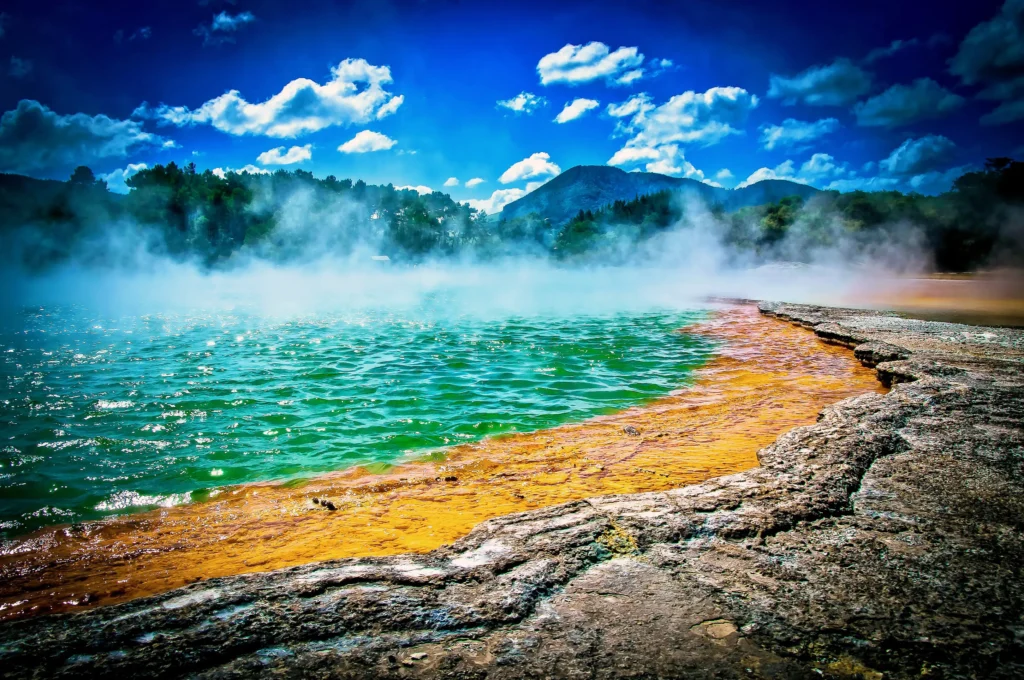


Gisborne is New Zealand’s eastern gateway and the heart of Māori culture.
Gisborne, also known as Tūranganui-a-Kiwa, is a picturesque coastal town on the east coast of New Zealand’s North Island. Famous not only for its sunny beaches and vineyards, but also for being the site of Captain James Cook’s first landing in 1769, it is one of the sunniest cities in the country and the first city in the world where the sun rises every morning. For visitors, Gisborne is a cultural, historical, and gastronomic destination with a unique atmosphere of seclusion and natural beauty.
History of the city
Before the arrival of Europeans, this area was inhabited by the Māori, who founded one of the oldest settlements in the country. The cultural significance of this region is immense—it contains numerous sacred sites, legends, and ancestral traditions. The name “Tūranga-nui-a-Kiwa” translates as “the great standing place of Kiwa,” referring to the mythical Māori explorer.
In October 1769, British explorer James Cook landed here, beginning his voyage of exploration of New Zealand. This moment became a turning point in the country’s history. Today, the city commemorates this event with a monument, and museums feature exhibits dedicated to both European navigation and Māori culture.
Population and culture
Gisborne has a population of approximately 38,000. It is one of the cities with the highest percentage of Māori residents—almost 50% of residents have Māori ancestry. This has made the city an important cultural centre where the traditions, language, and customs of the indigenous people are preserved and developed.
The city has schools and institutes that teach in the Māori language, and regularly hosts haka and kapa haka (traditional song and dance) festivals, as well as art exhibitions and conferences dedicated to Māori identity.
Economy and modernity
Gisborne’s economy is primarily based on agriculture, logging, fishing, and winemaking. The region is one of New Zealand’s leading wine producers, particularly renowned for its Chardonnay grapes. Tourism has seen steady growth in recent years, fueled by both the region’s natural beauty and cultural events.
The city is actively developing as a centre for eco- and cultural tourism. It’s free from the hustle and bustle of big cities, but offers open spaces, clean air, and authentic experiences. Initiatives are also underway to revive Māori architecture, crafts, and art.
Popular attractions
- Waikanae Beach is an ideal spot for swimming, walking, and surfing. It is popular with families and young people.
- Mount Hikurangi is a sacred mountain to the Māori, where the sun is said to be the first to appear. Tourists can take a guided hike and learn about the region’s mythology.
- Titirangi Domain and Lookout is a great vantage point with panoramic views of the city, harbour and Pacific Ocean.
- Tairāwhiti Museum is a museum of regional history, displaying Māori artefacts, colonial-era items and artwork.
- The Coastal Sculpture Route is a contemporary open-air art experience that tells the story of Gisborne.
- The Gisborne Wine Trail offers a series of winery visits, tastings and food experiences.
Climate and nature
Gisborne is one of the sunniest cities in New Zealand, with over 2,200 hours of sunshine annually. Summers are warm and dry, and winters are mild. This climate makes the city an excellent destination for beach holidays, active tourism, and year-round wine tourism.
The city’s surroundings are rich in hiking trails, waterfalls, rivers, and dense forests. Ecotourism is particularly popular, including birdwatching, kayaking, and treks with Māori guides.
Cultural events and festivals
One of the most famous festivals is the Te Tairāwhiti Arts Festival , dedicated to local art, music, and theatre. Rhythm and Vines , an open-air music festival celebrating the New Year among the vineyards, is also held regularly, attracting young people from across the country.
Local festivals often combine European and Māori traditions, creating a unique atmosphere of multicultural dialogue.
Future and Development
Gisborne is committed to sustainable development. Key investments are focused on the green modernization of infrastructure, the preservation of natural and cultural resources, and digital transformation. Plans include developing tourist navigation, green transport solutions, expanding access to cultural events, and creating jobs in the creative industries.
The city also promotes education programmes targeting Māori youth and training in tourism, agribusiness and the arts.
Tips for tourists
- The best time to visit is from November to April, when it is warm, dry and the main festivals are taking place.
- It is recommended to rent a car to explore the surrounding area and remote beaches.
- For a more immersive cultural experience, consider signing up for a tour with a Māori guide.
- Local markets offer excellent produce: fruit, seafood, handicrafts and wine.
- Māori traditions should be respected, especially when visiting sacred sites and pa (fortified settlements).
Conclusion
Gisborne is not only New Zealand’s geographical but also its cultural eastern border. Here, a new day begins and ancient traditions are preserved. The city is ideal for travellers who want to immerse themselves in authentic Māori culture, enjoy nature, wine, and sunshine, and experience a sense of solitude unmatched in major tourist destinations. Gisborne is an encounter with an authentic, warm, and spiritual New Zealand.
Illustrations show the character of the places and are not documentary photographs. Opening hours, admission prices and access conditions can change; check the attraction’s official information before booking.
Plan your visit: Gisborne
How to fit it into your itinerary
Treat Gisborne as part of a multi-day east-coast trip with overnight stops between regions.
How much time to allow
A day for the city and nearby sights; allow separately for long drives.
Before you travel
Check SH2 and other route roads, weather, beach access and museum hours.
Official information
- Official website: places, tickets and visitor information
- DOC: access restrictions and alerts
- NZTA: roads and journey times
Times are suggested planning allowances, not guaranteed trip durations. Add driving time, stops and a weather buffer separately. Check current tickets, opening hours and access with the operator; attraction tickets are arranged separately from the driver service.