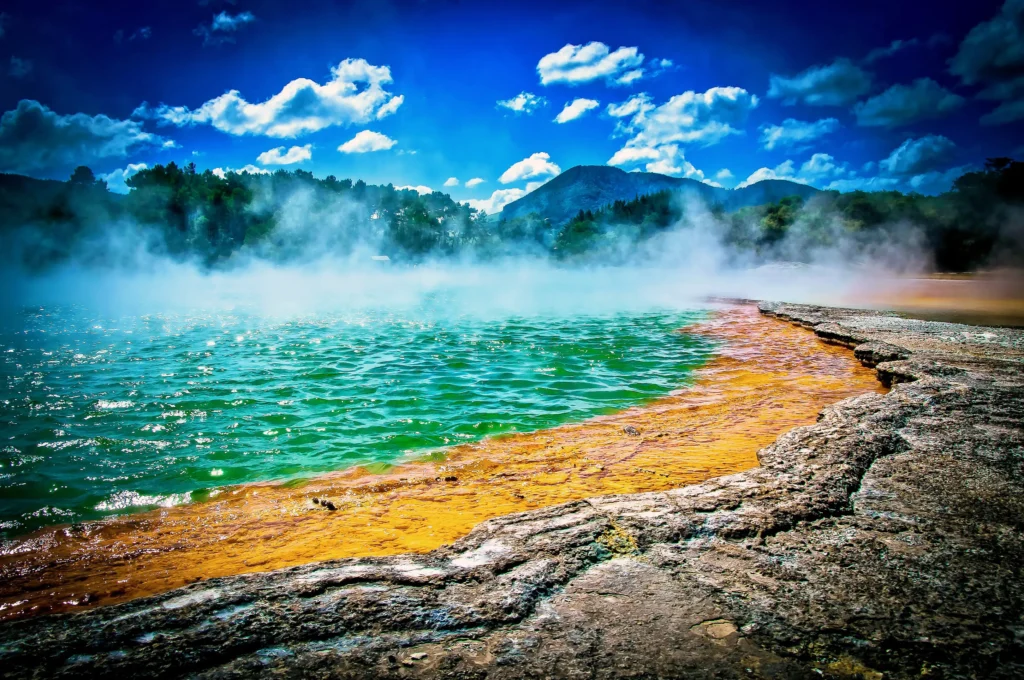


Christchurch: History, culture and urban regeneration in the heart of the South Island
Christchurch ( Ōtautahi in Māori ) is the largest city on New Zealand’s South Island and one of the country’s most fascinating. It’s a city with a rich history, a history of battling nature, green parks and gardens, a vibrant creative community, and an ambitious post-earthquake recovery program. Christchurch is often called the “Garden City,” and it lives up to the name.
History and origin
Before the arrival of Europeans, the lands where Christchurch now stands were inhabited by Māori of the Ngāi Tahu, Waitaha, and Ngāti Māmoe tribes. The name Ōtautahi comes from Chief Tautahi, who lived with his people along the Ōtākaro-Avon River. This river still flows through the city, adorning it and reminding us of its first inhabitants.
The European settlement was planned by the English organization Canterbury Association in the late 1840s, with the intention of creating a society with an emphasis on English traditions and the Church of England. The first settlers arrived in 1850–51. The 1850s are traditionally considered the year of foundation. In 1856, Christchurch became a city by royal charter.
Population and modern life
As of 2024, the population of Christchurch is approximately 412,000 in the city proper, and over 500,000 if the suburbs are included.
The population is predominantly of European descent (Pākehā), but there is also a significant Māori population, as well as people of Asian descent and other ethnic groups. English is the dominant language, and the Māori language is supported, particularly through cultural events, place names, and symbolism. Christchurch has a well-developed infrastructure: schools, universities, hospitals, and transportation.
Disasters, recovery and the present
One of the key moments in the city’s life was the earthquakes of 2010 and 2011. In September 2010, a powerful tremor damaged numerous buildings, but the main tragedy occurred on February 22, 2011, when the epicentre was close, and the destruction in the central part of the city was catastrophic—people died, and many buildings were destroyed or seriously damaged.
Following the earthquakes, Christchurch launched a major rebuilding program. Building codes were strengthened, roads, bridges, and public spaces were restored. Some architectural landmarks were lost, while others are being restored. Temporary solutions emerged, such as the Transitional Cathedral (also known as the “Cardboard Cathedral”)—a symbol of a new era.
Culture, nature and attractions
Christchurch is renowned for its gardens, parks, and green spaces. One of the most famous is Christchurch Botanic Gardens , a 21-hectare garden with numerous plant species, themed collections, greenhouses, walking paths along the River Avon, and seasonal flowering gardens.
Hagley Park is a vast city park, the heart of Christchurch’s green space. It’s a place for recreation, sports, walks, and outdoor events. Festivals, fairs, music, and picnics are held there.
Another interesting place is the Christchurch Gondola , a cable car that leads to the Port Hills/Mount Cavendish ridges. From the top, panoramic views of the city, the Canterbury Plains, Lyttelton Harbour, and even the Alps in the distance open up. It’s one of the most popular tourist spots near the city.
History and science buffs will appreciate the Canterbury Museum, which houses exhibits on natural history, Māori culture, and Antarctic exploration. It’s also a pleasure to stroll through the craft and art galleries and cafe streets, such as New Regent Street—a vibrant area with shops, Art Deco architecture, and cafes. The Heritage Tram is another way to see the city centre, its old architecture and modern areas.
Cooking and entertainment
Christchurch offers a variety of cafes, restaurants, bars, and markets featuring local cuisine and produce. Flavors blend: European cuisine, Māori influences, and Asian influences. Markets like Riverside Market offer fresh produce, snacks, and a social atmosphere. The entertainment scene is thriving, with concerts, festivals, art exhibitions, and street art.
Economy and development prospects
Christchurch’s economy was previously focused on agriculture and agro-industry, including meat, wool, machinery, and agricultural produce. With gradual growth, other industries emerged: technology, education, healthcare, tourism, and hospitality.
Sustainability is a development priority: green buildings, renewable energy, green spaces, climate mitigation, and improved public transport. Tourism is also being developed, focusing on nature, ecology, adventure, and proximity to the mountains and coast. Christchurch serves as a gateway to the mountains, glaciers, and beaches, so road and transport infrastructure are being improved.
Key places to visit
- Christchurch Cathedral / Transitional Cathedral is a symbol of destruction and rebirth. The Transitional Cathedral is a temporary yet significant building, demonstrating creative approaches to post-earthquake architecture.
- Botanic Gardens and Hagley Park are ideal places to relax, have a picnic, or just stroll. They are especially beautiful in spring, summer, and during flowering season.
- Christchurch Gondola – a ride with a view, nature, hiking trails on Port Hills, cafe at the top.
- Canterbury Museum – history, culture, science exhibitions, Antarctic exploration.
- Bridge of Remembrance is a monument bridge in the centre over the River Avon, a memory of wars, of architectural interest.
- New Regent Street is a stylish street, with architecture, cafes, shops and atmosphere.
- Ferrymead Heritage Park is an open-air museum where you can see what cities looked like in different eras: buildings, transport, and life of the past.
Prospects and development
Christchurch is moving toward becoming a city of the future, combining protection from the elements with comfort, green spaces, and the preservation of cultural heritage. New building codes are strict, particularly in terms of earthquake resistance. The city is investing in infrastructure, public transport, pedestrian areas, and the modernization of residential areas.
Culture and art will play an increasingly important role: festivals, outdoor events, art installations, and the repurposing of abandoned or damaged spaces for temporary projects (creative parks, markets, street art). Christchurch is already demonstrating that it can be not just restored, but reimagined, modernized, vibrant, and inspiring.
Useful tips for tourists
- Visit Christchurch in spring and summer – the gardens are in bloom, the weather is milder and the shadows are longer.
- Bring comfortable shoes – there are many pedestrian areas, a park, trails, a cable car.
- Check the schedule of events – festivals and markets often take place in the park or downtown.
- The weather can change quickly, so bring something warm and a raincoat even in warm weather.
- Learn a little about Māori culture, names and traditions – it helps you understand the place better and respect the local people.
- Don’t forget about safety: after the earthquakes, there are still areas where reconstruction is underway, and there may be restrictions.
Conclusion
Christchurch is a city where old meets new, where nature is close by, where the people don’t give in to the elements, but create and build anew. It’s not perfect, but it exudes a spirit of rebirth, creativity, and a connection to the land and nature. For tourists, Christchurch can be a revelation: not just a dot on a map, but a living organism, where every street, every tree, every park tells a story. When planning a trip to the South Island, give Christchurch a chance to surprise you.
Illustrations show the character of the places and are not documentary photographs. Opening hours, admission prices and access conditions can change; check the attraction’s official information before booking.
Plan your visit: Christchurch
How to fit it into your itinerary
Use the city as a start or finish for a South Island itinerary. Plan a compact visit combining the centre, Botanic Gardens and a museum.
How much time to allow
A day for the city; plan Akaroa or mountain outings separately.
Before you travel
Check museum exhibition access, tram tickets and roads for your chosen outing.
Official information
- Official website: places, tickets and visitor information
- DOC: access restrictions and alerts
- NZTA: roads and journey times
Times are suggested planning allowances, not guaranteed trip durations. Add driving time, stops and a weather buffer separately. Check current tickets, opening hours and access with the operator; attraction tickets are arranged separately from the driver service.